Latest Blog Posts

The Chaingateway blog collects developer guides on creating wallets, receiving deposits through webhooks and sending token transfers over a REST API. It also explains the chains behind the API, from Ethereum and BNB Smart Chain to TRON and Bitcoin, and announces releases. Filter by category or open the newest post below.
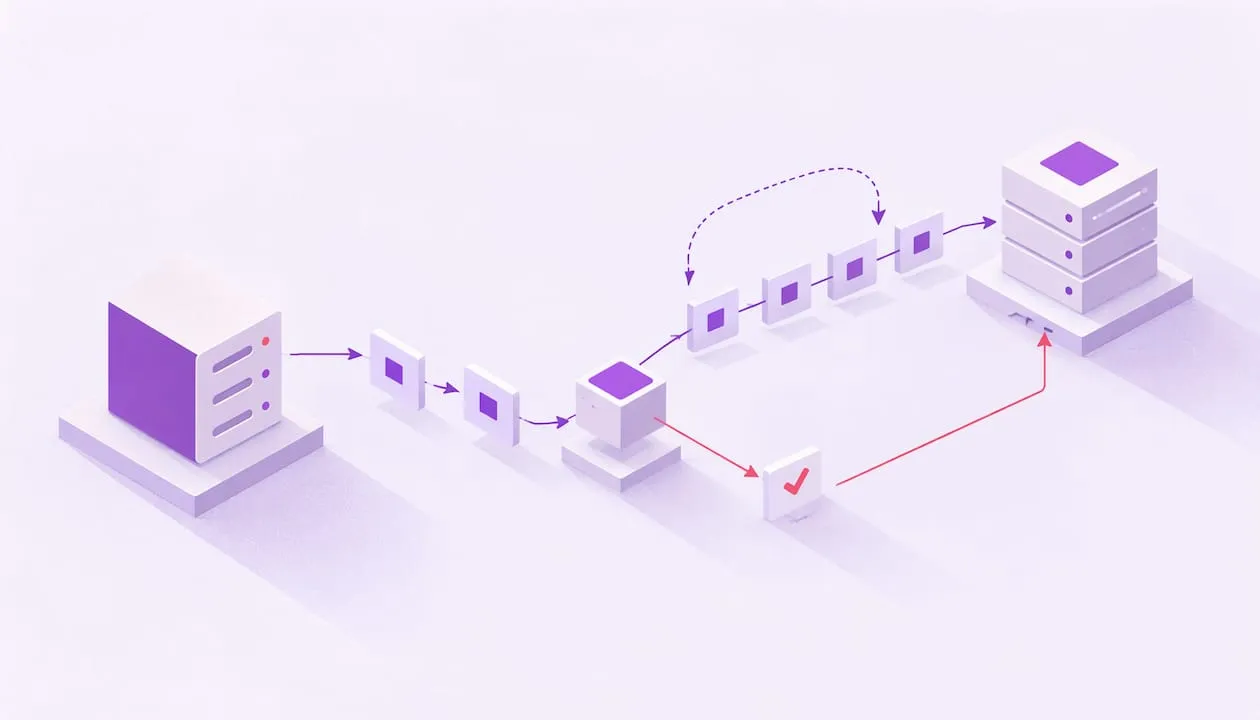
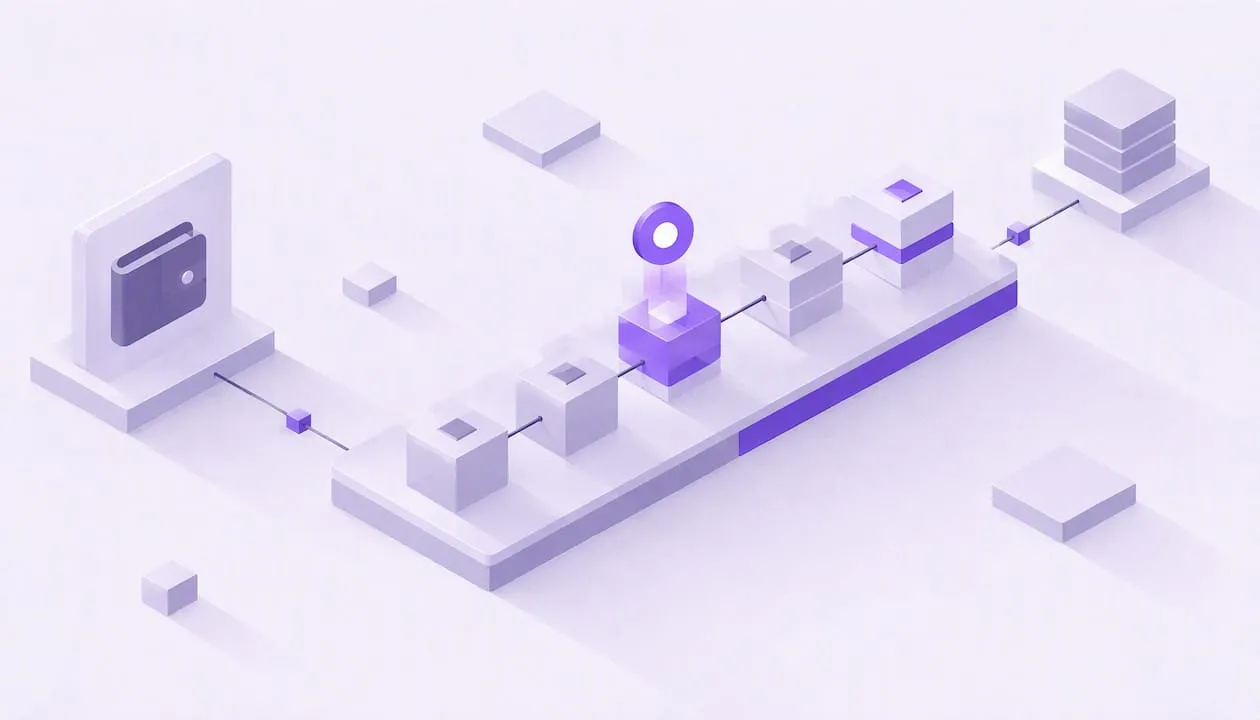
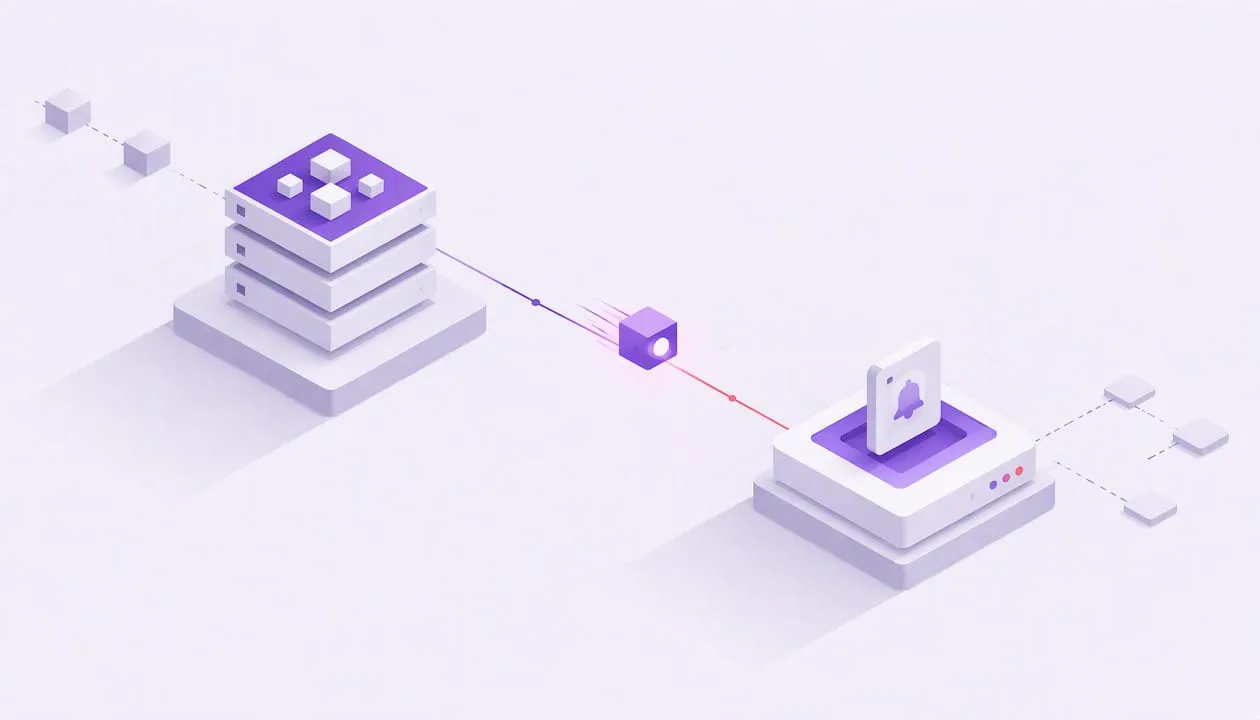
Webhook Logging Best Practices: What to Log, What to Hide
By chaingateway
Webhook logging best practices for receivers: the fields to record, secrets to keep out, retries and duplicates to trace, and alerts that catch failures early.
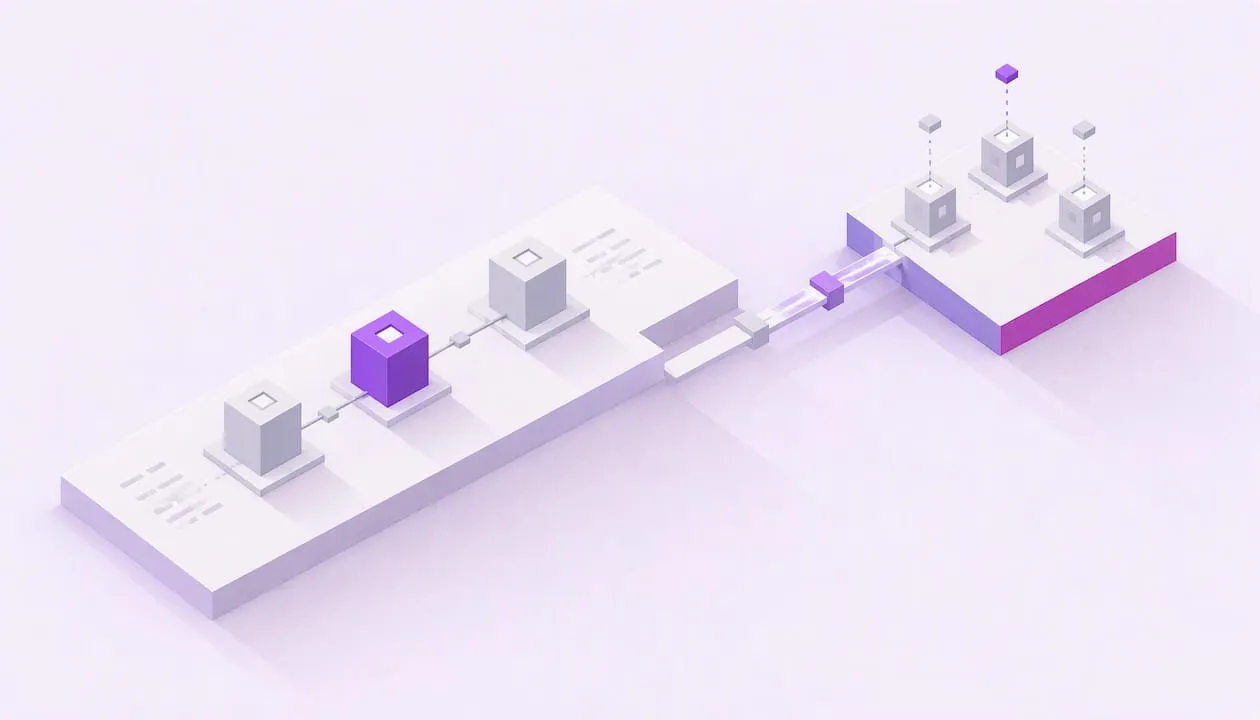
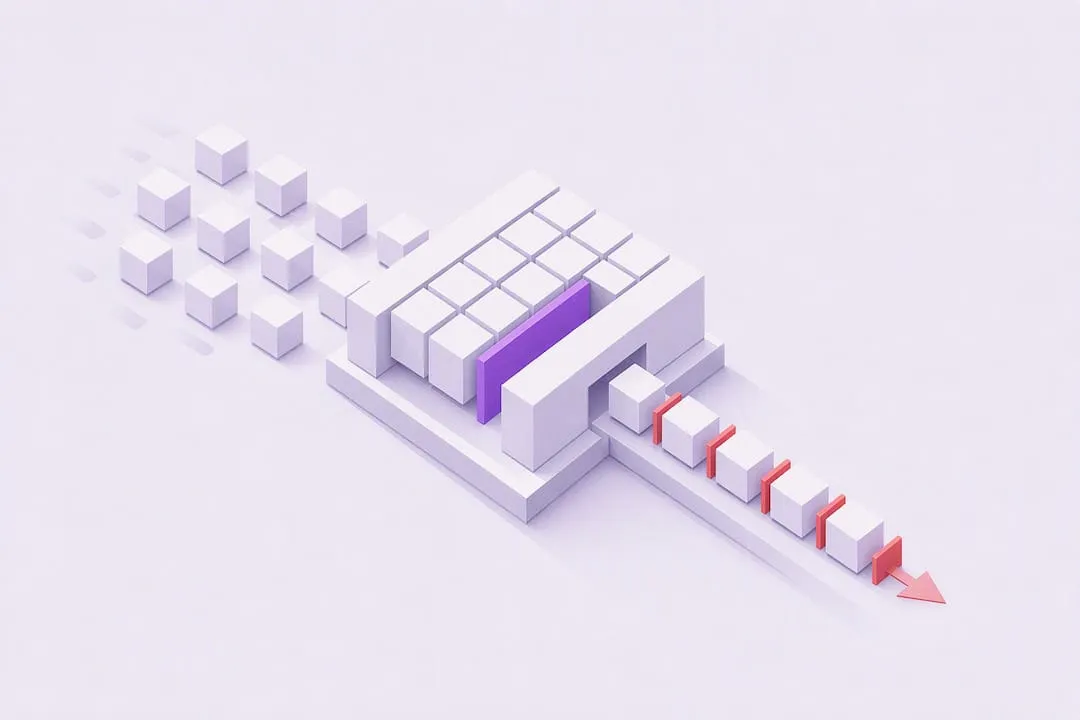
Webhook Delivery Guarantees Explained
By chaingateway
What webhook providers actually guarantee: at-least-once delivery, retries, no ordering, duplicates. Plus how to build a receiver that survives all of it.
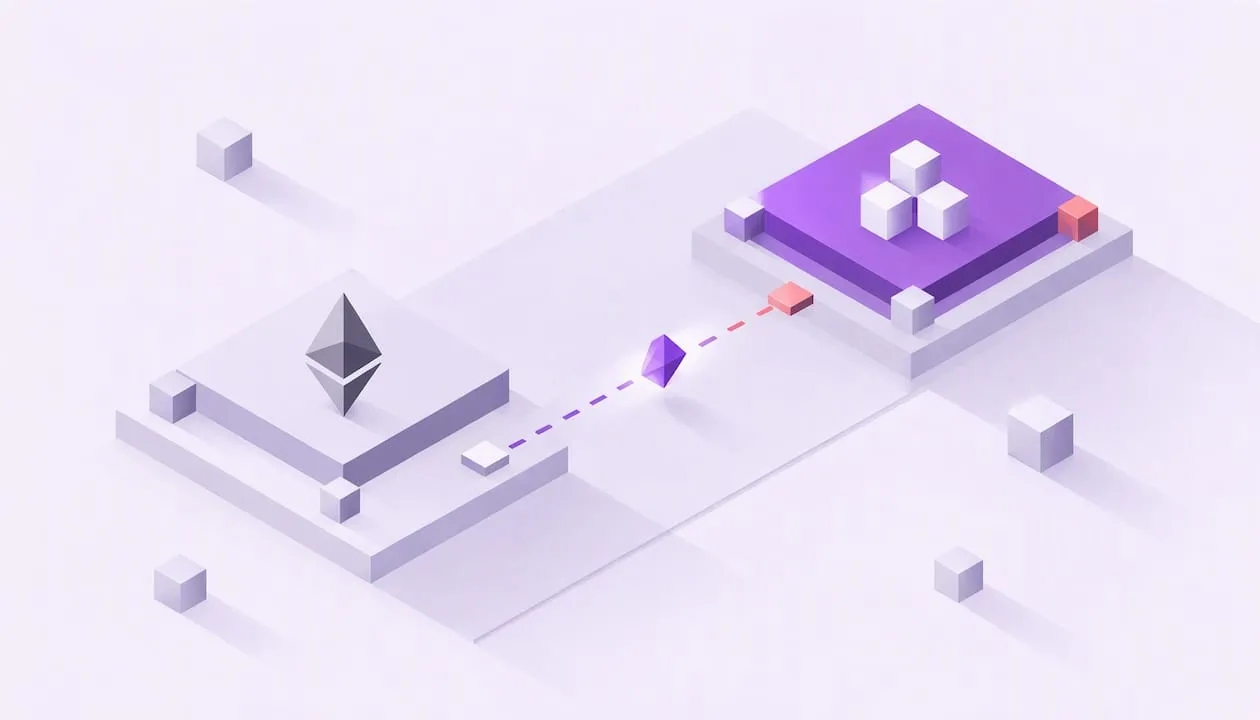
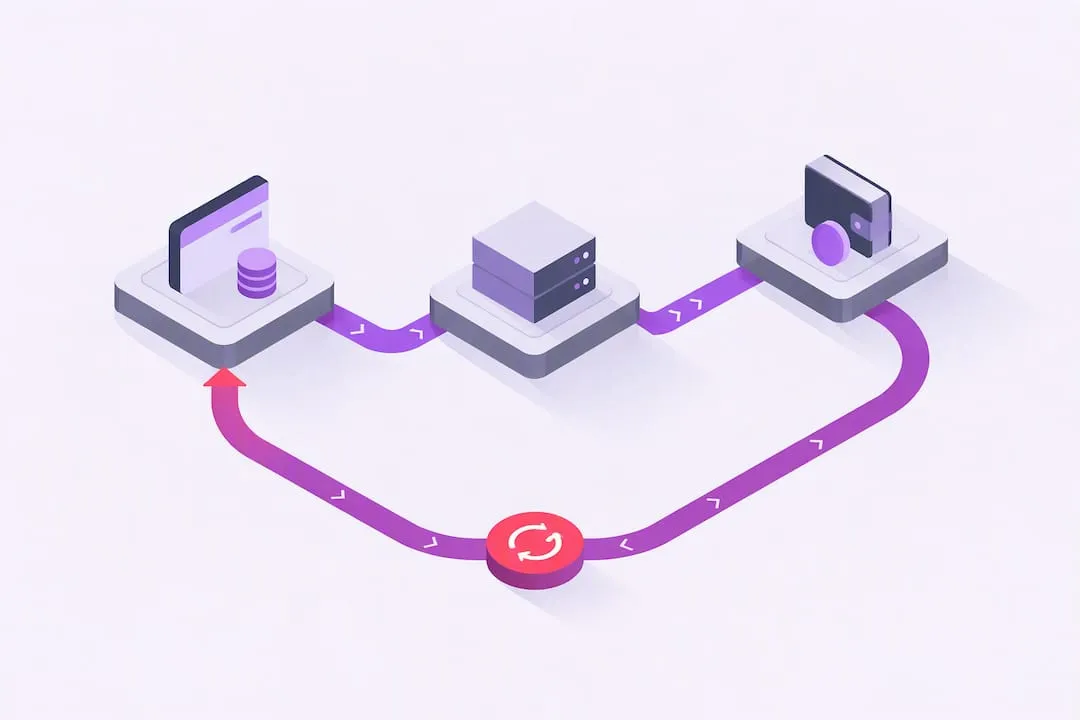
API Sandbox for Crypto: Test Payments Safely
By chaingateway
What a crypto API sandbox is, how it differs from a testnet, and a step-by-step plan to test wallets, transfers and webhooks before you go live.
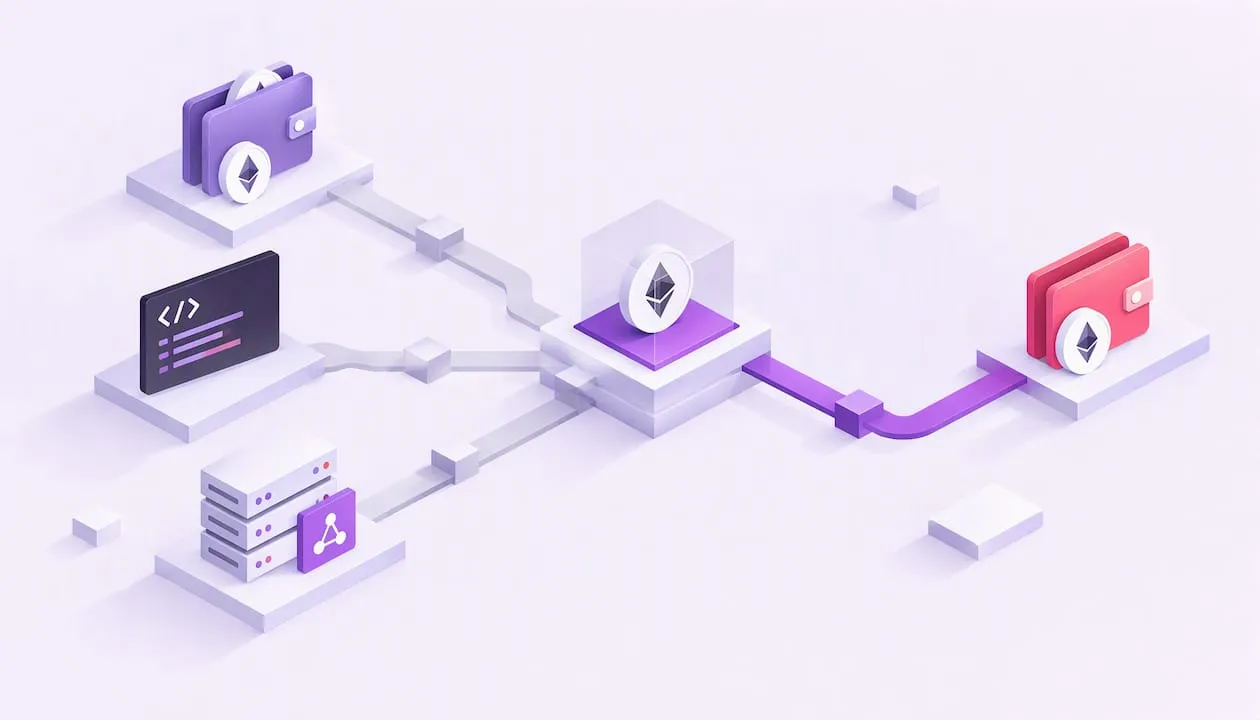
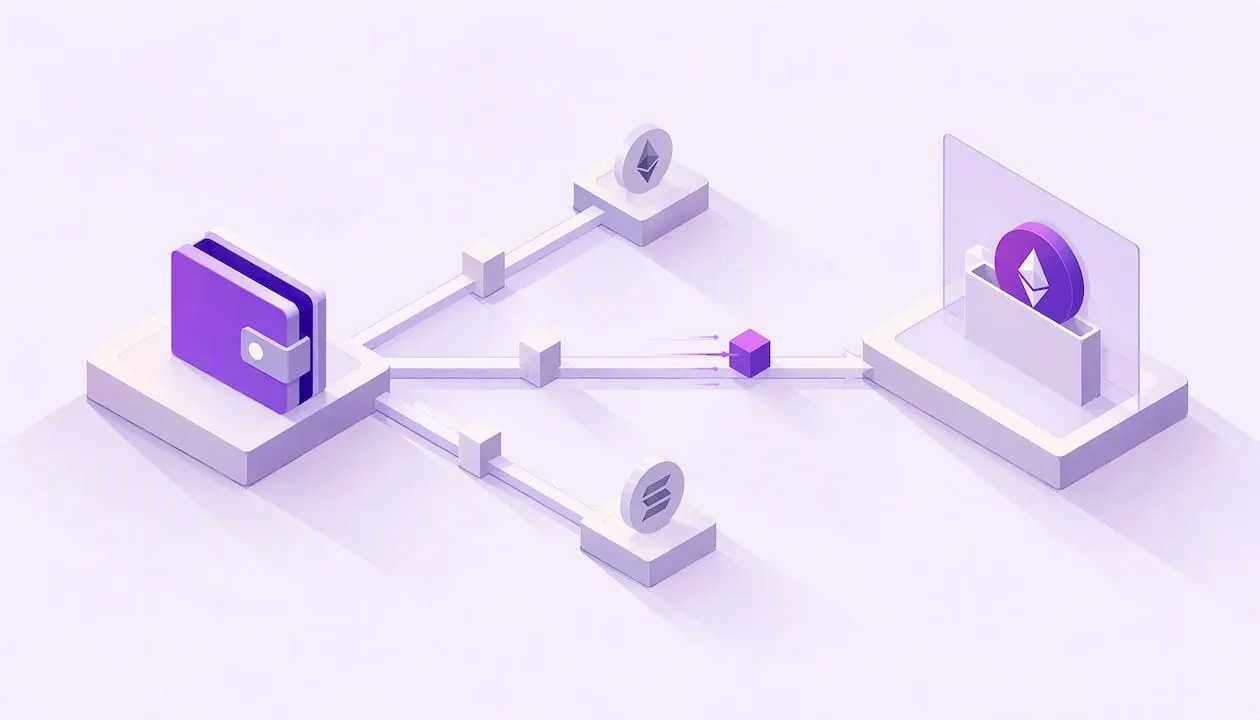
Crypto Payment Webhooks: How They Work and How to Build Them
By chaingateway
Learn how crypto payment webhooks detect deposits, how to verify signatures, handle retries and duplicates, and test your endpoint before going live.
Polygon Payments Integration: Developer Guide
By chaingateway
How to integrate payments on Polygon: choose the network and token, manage wallets, send and verify transfers, handle webhooks, and test before launch.
TRON Payments Integration: A Developer's Guide for 2026
By chaingateway
How to integrate TRON payments: build and sign transactions, detect TRX and USDT-TRC20 deposits, handle fees and confirmations, and cut the infrastructure work.
Ethereum Payments Integration for Developers
By chaingateway
How to integrate Ethereum payments: choose ETH or tokens, create payment requests, detect and confirm transactions, handle gas, secure keys and test.
Crypto Payment KYC: What You Must Verify
By chaingateway
What KYC means for crypto payments, which checks apply to custodial, on-ramp and self-custody flows, and what to settle before you integrate a payment flow.
Token Standards Explained: ERC-20, ERC-721, ERC-1155
By chaingateway
Token standards explained for developers: what ERC-20, ERC-721, ERC-1155, TRC-20 and SPL define, how decimals work, and what to check before you integrate.
Transfer NFTs via API: Steps, Parameters and Pitfalls
By chaingateway
How an NFT transfer API works: ownership checks, request parameters, gas, signing, confirmation and common errors, with ERC-721 examples for Ethereum and Tron.
Smart Contract Events API: Read, Filter and Subscribe
By chaingateway
How a smart contract events API works: logs, topics and ABI decoding, past events versus live ones, and when to use webhooks, WebSockets or polling.
Address Monitoring API: How It Works and How to Build It
By chaingateway
What a crypto address monitoring API does, how webhooks deliver deposit and withdrawal events, and how to handle confirmations, retries and security.
ERC-20 Transfer Event: Structure, Topics and How to Listen
By chaingateway
How the ERC-20 Transfer event works: signature, topic hash, decoding logs, eth_getLogs pitfalls and deposit alerts without running your own nodes.
Real-Time Crypto Alerts: Price Apps vs. Webhook Alerts
By chaingateway
Real-time crypto alerts come in two kinds: price notifications for traders and webhook events for apps. Learn which you need and how to build the second.
How to Estimate Gas Fees on Ethereum and Other Chains
By chaingateway
Learn how to estimate gas fees: the formula, gas limit vs gas price, eth_estimateGas, and the traps on Arbitrum and other chains, with a worked example.
How to Send ERC-20 Tokens: Wallet, Code and API Methods
By chaingateway
Send ERC-20 tokens from a wallet, with ethers.js, or through a REST API. Covers gas, decimals, contract-address risks and safe transfer patterns.
How to Create a Crypto Wallet with an API: 2026 Guide
By chaingateway
Learn how to create crypto wallets through an API: custody choices, key security, address design, webhooks and a step-by-step build plan for developers.
Polygon Webhooks: Real-Time On-Chain Events
By chaingateway
How Polygon webhooks work, what to watch for on PoS (reorgs, confirmations, duplicates), and how to build a safe, idempotent deposit handler for USDC and POL.
ERC-721 vs ERC-1155: Which Standard to Use
By chaingateway
ERC-721 vs ERC-1155 for developers: ownership vs balances, event shapes, batch transfers, metadata substitution and the indexing pitfalls of each.
API Rate Limiting Strategies for Developers
By chaingateway
Compare fixed window, sliding window, token bucket and leaky bucket limiters, build them atomically with Redis Lua, and send RateLimit headers.
Arbitrum Gas Fees: How Nitro Calculates Them
By chaingateway
How Arbitrum gas fees work: Nitro's fee formula, estimating with NodeInterface, what makes fees spike and how to quote them safely in your app.
Recurring Crypto Payments: How to Build and Run Them
By chaingateway
Recurring crypto payments: escrow, signed pulls and static-address billing compared, plus allowance standards, webhooks, reconciliation and US 1099-DA basics.
Webhooks vs WebSockets: When to Use Each
By chaingateway
Webhooks vs WebSockets compared by connection model, retries, scaling and security, plus a decision checklist and a webhook-queue-WebSocket pattern.
API Key Rotation: Create, Set, Test, Finish
By chaingateway
How to rotate API keys without downtime: the create, set, test, finish pattern, rotation intervals from NIST, secret managers and Chaingateway specifics.
Blockchain API for Business: What It Covers
By chaingateway
What the Chaingateway blockchain API covers: seven chains, testnets, signed webhooks, password-protected wallets and plans from €49 per month.
Receive Crypto Payments in Laravel (Tron)
By chaingateway
Build a Laravel payment gateway for TRX and TRC20 tokens: one address per session, a Chaingateway webhook, signature check and transaction verification.
Webhook Signature Verification with Personal Secrets
By chaingateway
Set a personal secret and Chaingateway signs every webhook with an X-Signature header. How the HMAC works, a Node.js check, and what it does not cover.
TRON Fees: Ultimate Guide + Free Calculator
By chaingateway
How TRON fees work: bandwidth and energy, the 600 free daily bandwidth, burn rates in sun, a worked USDT example and ways to reduce the cost.
Chaingateway V2.1 Beta: Testnets, Webhooks
By chaingateway
Chaingateway V2.1 beta, released 16 September 2024: testnet support, a rebuilt webhook system, a redesigned dashboard and the steps to migrate from V2.
Tron Fees: Bandwidth, Energy and fee_limit
By chaingateway
How Tron fees are charged: bandwidth, energy, the burn order, fee_limit for contract calls and the dynamic energy model that raises the cost of busy contracts.
JSON-RPC Blockchain Nodes: PHP, Python & JS Guide
By chaingateway
How JSON-RPC 2.0 works with blockchain nodes: request and response format, error codes and batching, with working PHP, Python and JavaScript examples.
Blockchain Supply Chain: Use Cases and Limits
By chaingateway
A blockchain supply chain records shipment events and payments on a shared ledger. What to record, a payment example, and limits: input data, privacy, adoption.
Blockchain vs Database: Key Differences Explained
By chaingateway
How a blockchain differs from a traditional database: write model, consensus, latency, cost per write, plus a decision list and a hybrid payment pattern.
What Is a Smart Contract? How They Work
By chaingateway
A smart contract is a program stored on a blockchain that runs exactly as written. How deployment, gas and execution work, with a Solidity example and limits.
TRON vs BNB Smart Chain vs Ethereum Compared
By chaingateway
How TRON, BNB Smart Chain and Ethereum differ in consensus, block time, fees, addresses and token standards, with sources and API endpoints for each.
TRC10 vs TRC20: Differences and Costs
By chaingateway
TRC10 is a native Tron token without a smart contract, TRC20 is a contract-based token. Compare issuance, fees, decimals, balance lookup and API calls.
NFT Functions and estimateGas: 2021 Release
By chaingateway
What the November 2021 release added: getNFTOwner, getNFTURI, sendNFT and estimateGas, plus how NFT sends and gas lookups work in the v2 API today.
ERC20 Token Standard: How It Works and What It Costs
By chaingateway
ERC20 defines six functions and two events that make tokens on Ethereum interchangeable. How to deploy one, pay gas, read balances and send tokens by API.